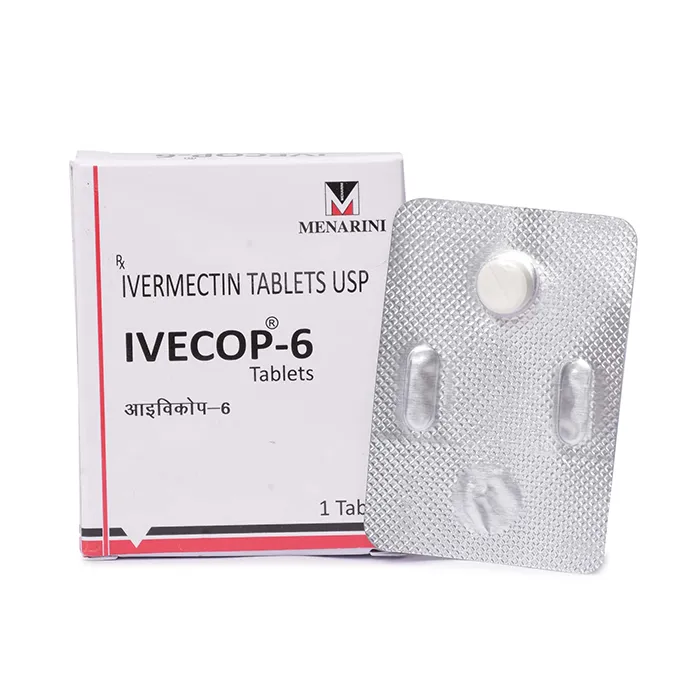
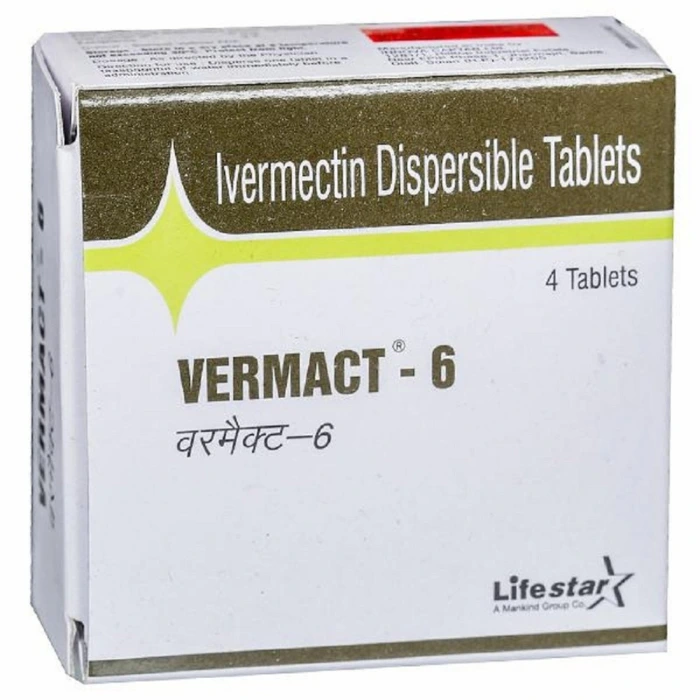
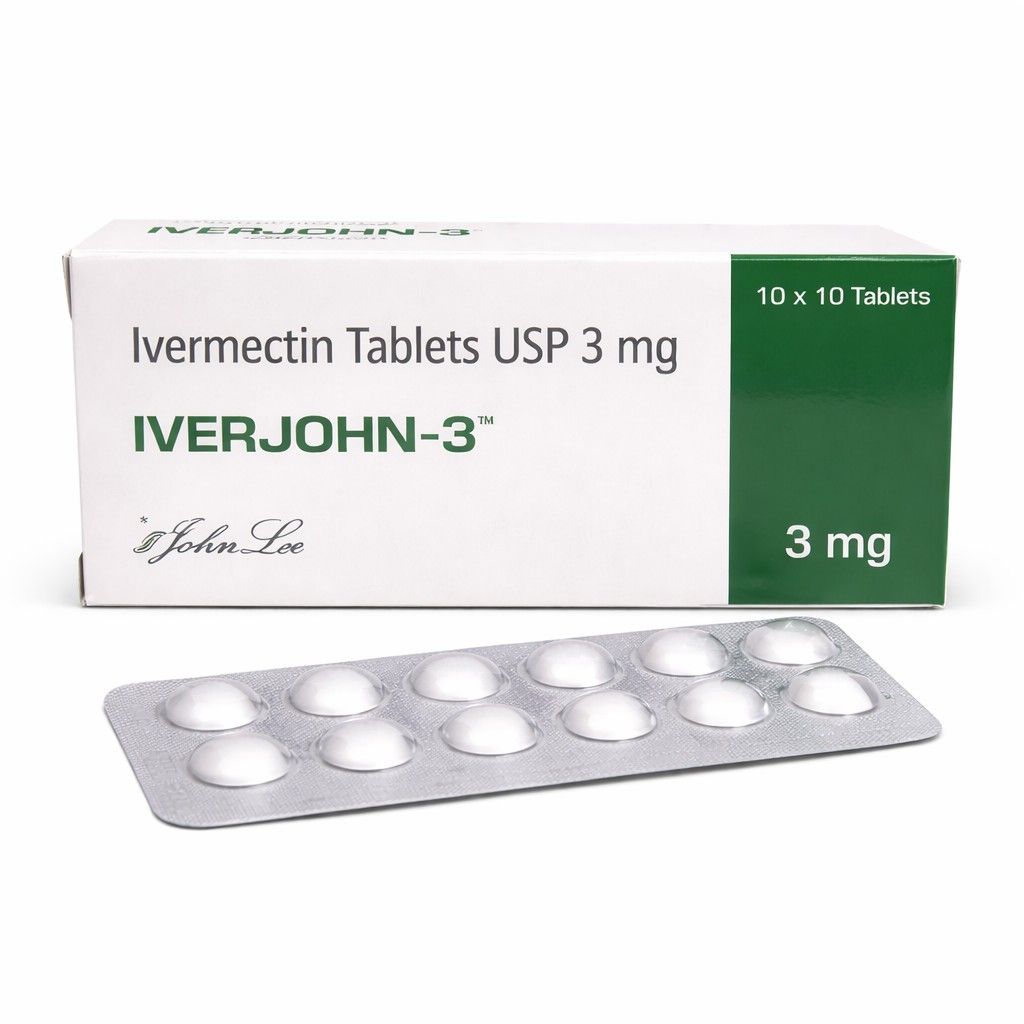
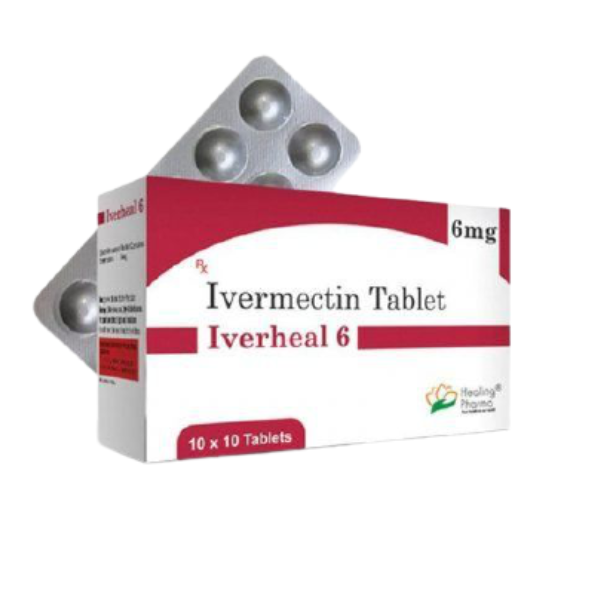
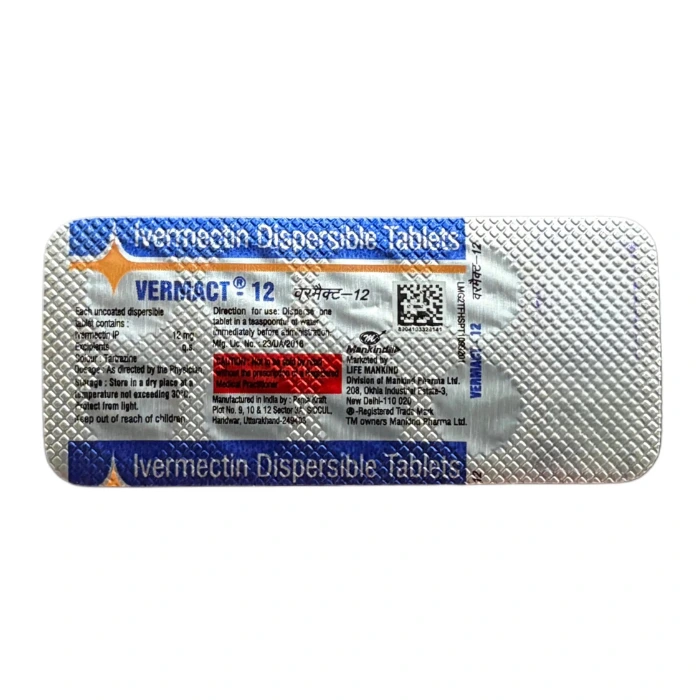
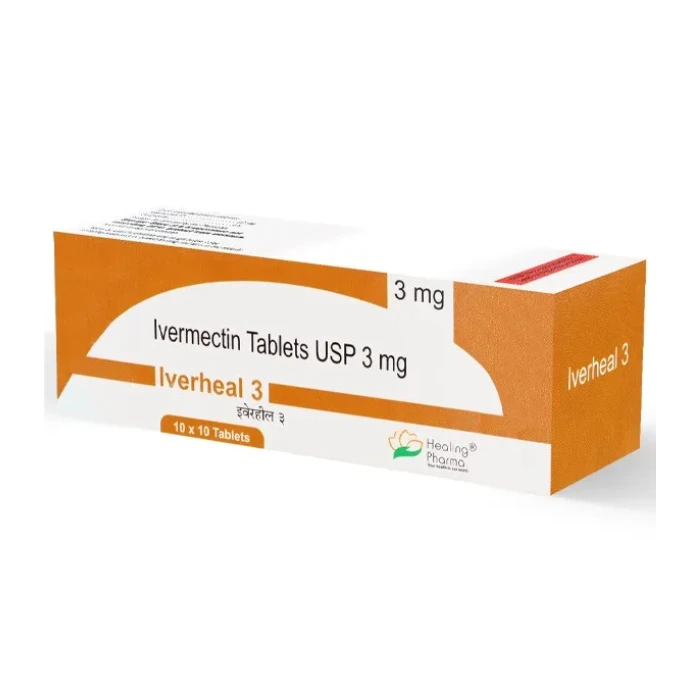
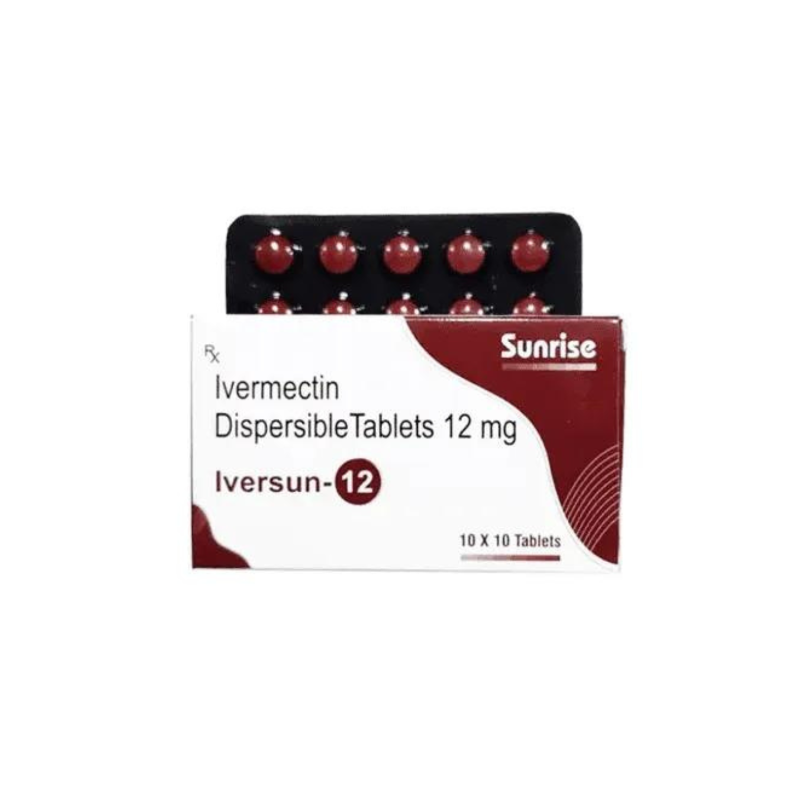
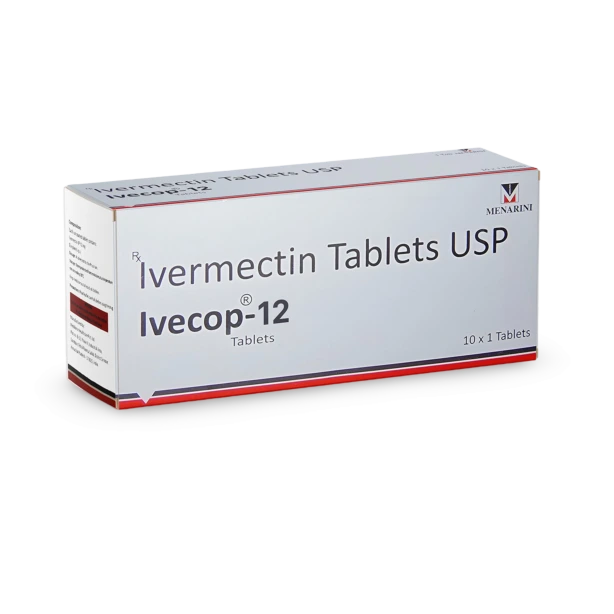
Ivermectol 6 mg Tablet is one of the more commonly used strengths of ivermectin, mainly because it makes dosing practical. Ivermectin is not a “one dose for everyone” kind of medicine. Clinicians typically calculate the dose based on body weight and the condition being treated. A 6 mg tablet often hits that sweet spot where you can reach the correct total dose without taking a handful of smaller tablets. If you have been prescribed Ivermectol 6 mg tablets, it usually means your clinician has identified or strongly suspected a parasitic infection that ivermectin is known to treat. It is an anti parasite medication, not an antibiotic, and it is not meant to treat bacterial illnesses. What Ivermectol 6 mg Tablet is used for Ivermectin has established medical uses for certain parasitic infections, including: Strongyloidiasis, an intestinal infection caused by a roundworm Onchocerciasis, sometimes called river blindness You will also see ivermectin discussed as an oral option for scabies in selected cases. For many people, scabies is treated with topical creams first. Oral ivermectin can be considered when: topical treatments are not effective the infestation is widespread reinfection keeps happening in close contacts and a broader plan is needed If scabies is the concern, it is worth remembering that itching can continue even after the mites are treated. That lingering itch is often an inflammatory reaction, not always a sign the treatment failed. How ivermectin works (simple version) Parasites rely on nerve signals and muscle function. Ivermectin interferes with those systems in many parasites. That can lead to paralysis and death of the parasite, and then your body clears it naturally. It is a targeted medication. That is why the diagnosis matters. If you take ivermectin for something that is not caused by a responsive parasite, it is not going to help and it can still cause side effects. How to take Ivermectol 6 mg tablets The number of tablets and the schedule depends on your prescription. Many dosing plans use approximately 200 micrograms per kilogram of body weight for certain infections, but you should not do your own calculations. That is your clinician’s job. General instructions often include: Take with a full glass of water. Many prescribers recommend taking ivermectin on an empty stomach, but follow your prescription directions since instructions can vary. Do not take extra doses to speed things up. Some infections are treated with a single dose. Others require a repeat dose after a set period. If your prescription includes a repeat dose, do not skip it. If you are unsure about timing, ask. Side effects to be aware of Most people tolerate ivermectin pretty well, but side effects can happen. Common side effects include: Nausea Dizziness Headache Diarrhea or stomach discomfort Fatigue More serious reactions are rare but should be treated as urgent. Seek medical help if you experience: Swelling of the face, lips, or throat Trouble breathing Severe rash or blistering Fainting or chest pain Sudden vision changes In some parasitic infections, symptoms can flare temporarily as parasites die off. If you feel significantly worse or symptoms are intense, check in with a clinician rather than assuming it is “normal.” Precautions Tell your clinician if you have: Liver disease A weakened immune system Neurologic conditions Known allergies to medications Pregnancy and breastfeeding should also be discussed with a clinician before taking ivermectin. The decision depends on the condition being treated and your individual situation. Storage Store Ivermectol 6 mg Tablet at room temperature, away from moisture and direct sunlight. Keep it in the original packaging and out of reach of children and pets. Available Strengths (As Available in the Market) Ivermectin tablets are commonly available in these strengths: Ivermectin 3 mg Ivermectin 6 mg (Ivermectol 6 mg Tablet) Ivermectin 12 mg Ivermectin 24 mg Ivermectin 40 mg Ivermectin 80 mg Your clinician may choose one strength or combine strengths to match the correct total dose based on your weight and diagnosis. FAQs 1) What is the Ivermectol 6 mg Tablet used for? Ivermectol 6 mg Tablet is a medicine that kills worms and parasites. It is used to treat some parasitic infections where ivermectin is appropriate. It may also be given to people with scabies in some cases. 2) How many Ivermectol 6 mg tablets should I take? It depends on how much you weigh and what you're treating. Do not change the dose on your own; just follow your prescription exactly. 3) How fast does 6 mg ivermectin work? It takes a few hours for ivermectin to start working in the body, but how quickly it helps with symptoms depends on the infection. Some symptoms, like the itching from scabies, may not get better for a while after treatment. 4) Can I take Ivermectol 6 mg tablets without a prescription? It is a prescription drug, and the amount you take depends on your weight. It should only be used with a doctor's permission. 5) What if symptoms do not improve after taking ivermectin? Don't give yourself more doses. If you still have symptoms, it could mean that you have a parasite that needs a different medication, that you have a new infection, or that you have a different illness. Talk to your doctor about what to do next.