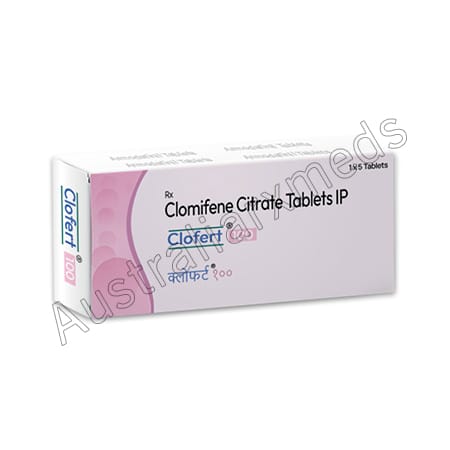
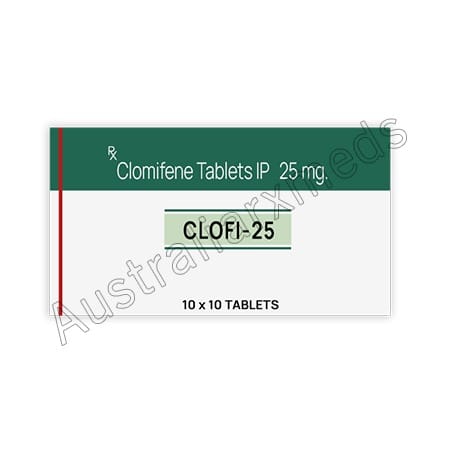
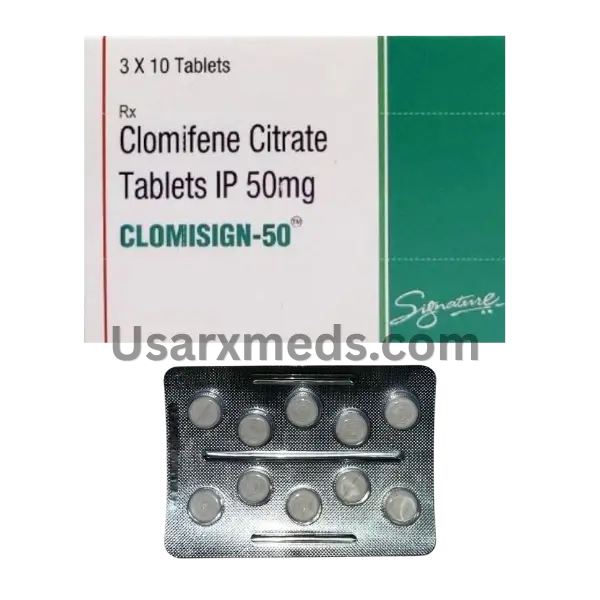
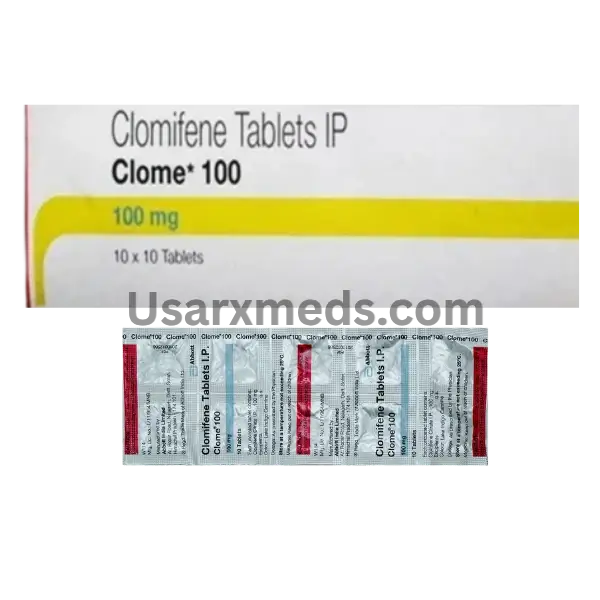
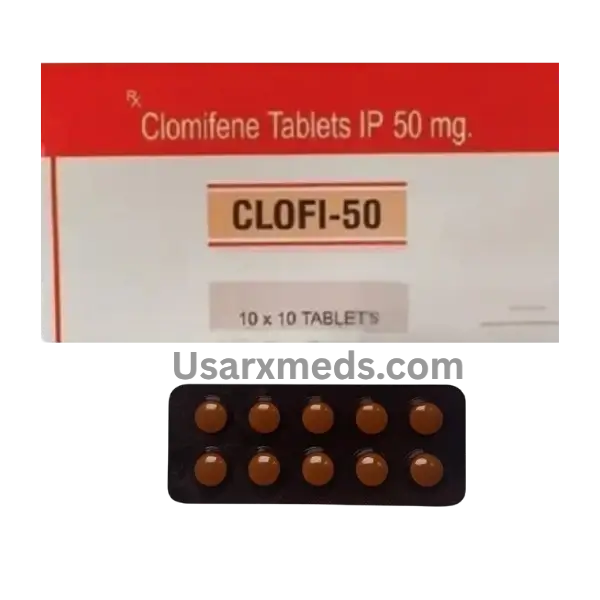
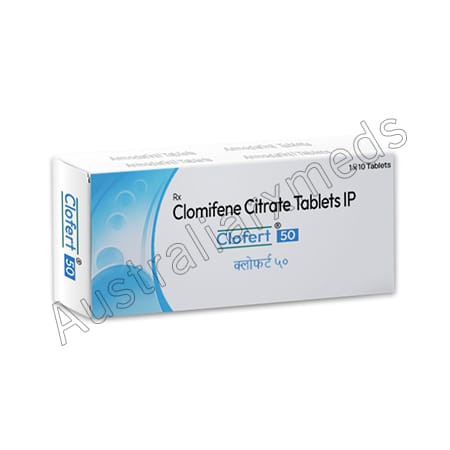
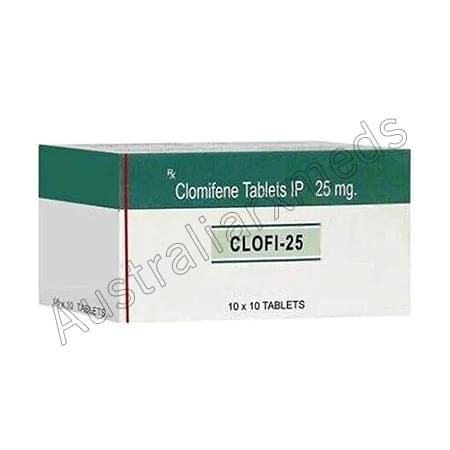
Clomifene 100 mg is often the point where fertility treatment starts to feel more “serious,” mostly because it usually comes after you and your clinician have already tried a lower dose. If you’re here, you might be dealing with cycles that don’t cooperate, ovulation that’s unpredictable, or a diagnosis like PCOS where ovulation is irregular. Whatever the reason, it’s normal to want clear answers and a plan that feels like it’s moving forward. Clomifene (also called clomiphene citrate) has been used for decades to help stimulate ovulation. It’s one of the most commonly prescribed oral fertility medicines for women who are not ovulating regularly. You may also see people search for fertogard 100. That’s a brand name some patients recognize, but the key thing is the active ingredient, clomifene, and the strength: 100 mg. What Clomifene 100 mg is used for Clomifene 100 mg is used as a female infertility medicine in situations where the main goal is to induce or improve ovulation, including: Irregular ovulation or anovulation PCOS related ovulation problems in many cases Some clinician-guided plans for unexplained infertility It’s not a medication that fixes every fertility issue. If tubes are blocked or sperm factors are significant, ovulation induction alone may not be enough. That’s why most clinicians recommend basic fertility workups before escalating doses. How clomifene works Ovulation depends on hormone signals from your brain to your ovaries. Clomifene nudges that system by encouraging the body to release more of the hormones that stimulate follicle growth. The goal is for a follicle to mature and release an egg. If clomifene works for you, you may have: More predictable ovulation timing Better follicle development A clearer window for timed intercourse or IUI Why 100 mg is considered a higher dose Many treatment plans start at 50 mg. If ovulation doesn’t happen, or if ovulation is inconsistent, clinicians often step up to 100 mg. So this dose is commonly used when: Lower doses did not trigger ovulation Your ovaries need a stronger signal Your clinician is adjusting based on monitored cycle results At higher doses, monitoring becomes even more important. The goal is usually one mature follicle, but higher doses can increase the chance of multiple follicles, which can raise the chance of twins. How Clomifene 100 mg is usually taken Clomifene is typically taken for a short course each cycle, often 5 days early in the cycle. Your clinician will decide which cycle days to use. Don’t change timing on your own, because the timing is a major part of why it works. Many clinics recommend: Ultrasound monitoring to track follicle growth Bloodwork to confirm ovulation Ovulation predictor kits A plan for timed intercourse or IUI If you are doing monitored cycles, follow those appointments closely. They help maximize the chances of success and reduce risk. Side effects and what to watch for Clomifene can cause side effects. Common ones include: Hot flashes Mood changes or irritability Bloating Headache Breast tenderness Nausea One side effect that should be taken seriously is visual changes. If you notice blurred vision, flashes, or spots, stop taking the medication and contact your clinician. Severe pelvic pain, significant bloating, rapid weight gain, or feeling unusually unwell should also be reported promptly. A realistic note about stress and expectations Fertility treatment can turn your life into a calendar. The tracking and waiting can be draining. It helps to think of each cycle as information. If 100 mg works, great. If not, it doesn’t mean you’ve failed. It means your clinician has data that helps decide the next step, whether that’s adjusting doses, switching to a different medication, or adding other treatments. Available Strengths (As Available in the Market) Clomifene tablets are commonly available in: Clomifene 25 mg Clomifene 50 mg Clomifene 100 mg (Clomifene 100 mg) Different brands may label it differently, but these are the typical strengths used in fertility plans. FAQs 1) What is Clomifene 100 mg used for? Clomifene 100 mg is used as a female infertility medicine to induce ovulation in women who do not ovulate regularly or have irregular cycles. 2) Is Clomifene 100 mg the same as clomiphene citrate? Yes. Clomifene is another spelling used for clomiphene citrate. It’s the same active fertility medication. 3) What is fertogard 100? Fertogard 100 is a brand name that contains clomifene 100 mg. The important part is confirming the active ingredient and strength on the label. 4) Can Clomifene 100 mg increase the chance of twins? Yes. Higher doses can increase the chance of multiple follicles developing, which can raise the chance of twins. Monitoring helps manage this risk. 5) What side effects should I report right away? Visual changes, severe pelvic pain, heavy bleeding, or symptoms that feel severe or unusual should be reported promptly to your clinician.